
The Reality We’re Facing
Not all neighborhoods experience heat, flooding, and air quality the same way.
In Richmond, differences in tree cover, pavement, housing conditions, and infrastructure have created measurable temperature and health gaps across the city. These gaps aren’t accidental — they are the result of decades of development patterns, land use decisions, and uneven investment in public infrastructure.
Today, those differences show up in ways that affect daily life.
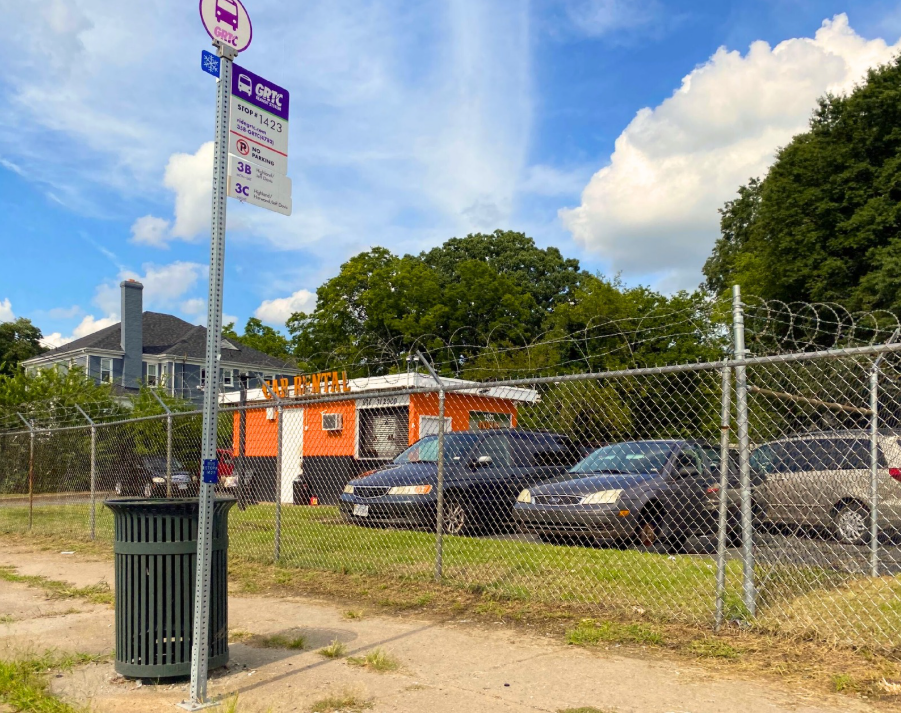
Heat is not distributed evenly
On hot summer days, some neighborhoods in the East End and Southside can be up to 16 degrees hotter than more shaded parts of the city. Areas with fewer trees, more asphalt, and less green space absorb and retain heat — creating what researchers call “urban heat islands.”
Tree canopy makes a measurable difference:
Neighborhoods with higher tree coverage can be dramatically cooler.
Shaded streets reduce surface temperatures.
Trees lower indoor temperatures and reduce energy costs.
Cooler neighborhoods experience fewer heat-related emergencies.
When shade is limited, the risks increase — especially for seniors, children, outdoor workers, and households without reliable air conditioning.
Health Impacts Are Real
Environmental conditions shape health outcomes.
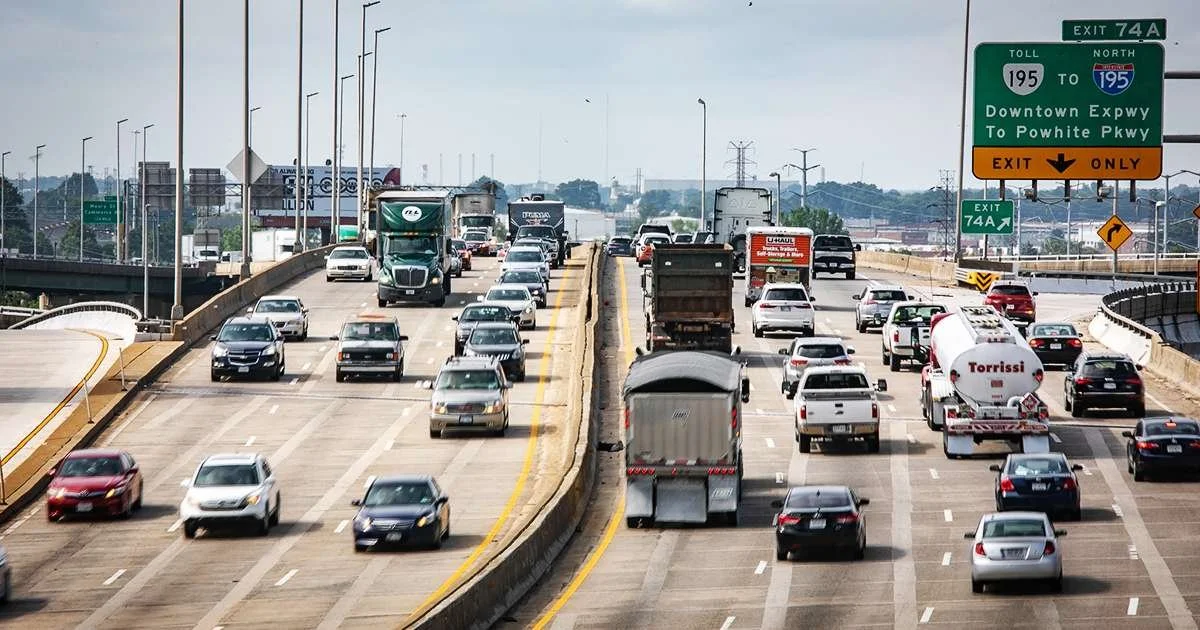
In parts of Southside, life expectancy is up to 20 years shorter than in other areas of Richmond. Higher rates of asthma and respiratory illness are concentrated in neighborhoods located near highways, industrial zones, and high-traffic corridors.
Research consistently shows that:
Exposure to air pollution increases asthma risk and severity.
Poor housing conditions can worsen respiratory illness.
Extreme heat contributes to dehydration, cardiovascular strain, and emergency room visits.
When temperatures spike, emergency calls and hospital visits rise — particularly in areas with limited tree cover and fewer accessible cooling spaces.
Flooding and Heat Overlap
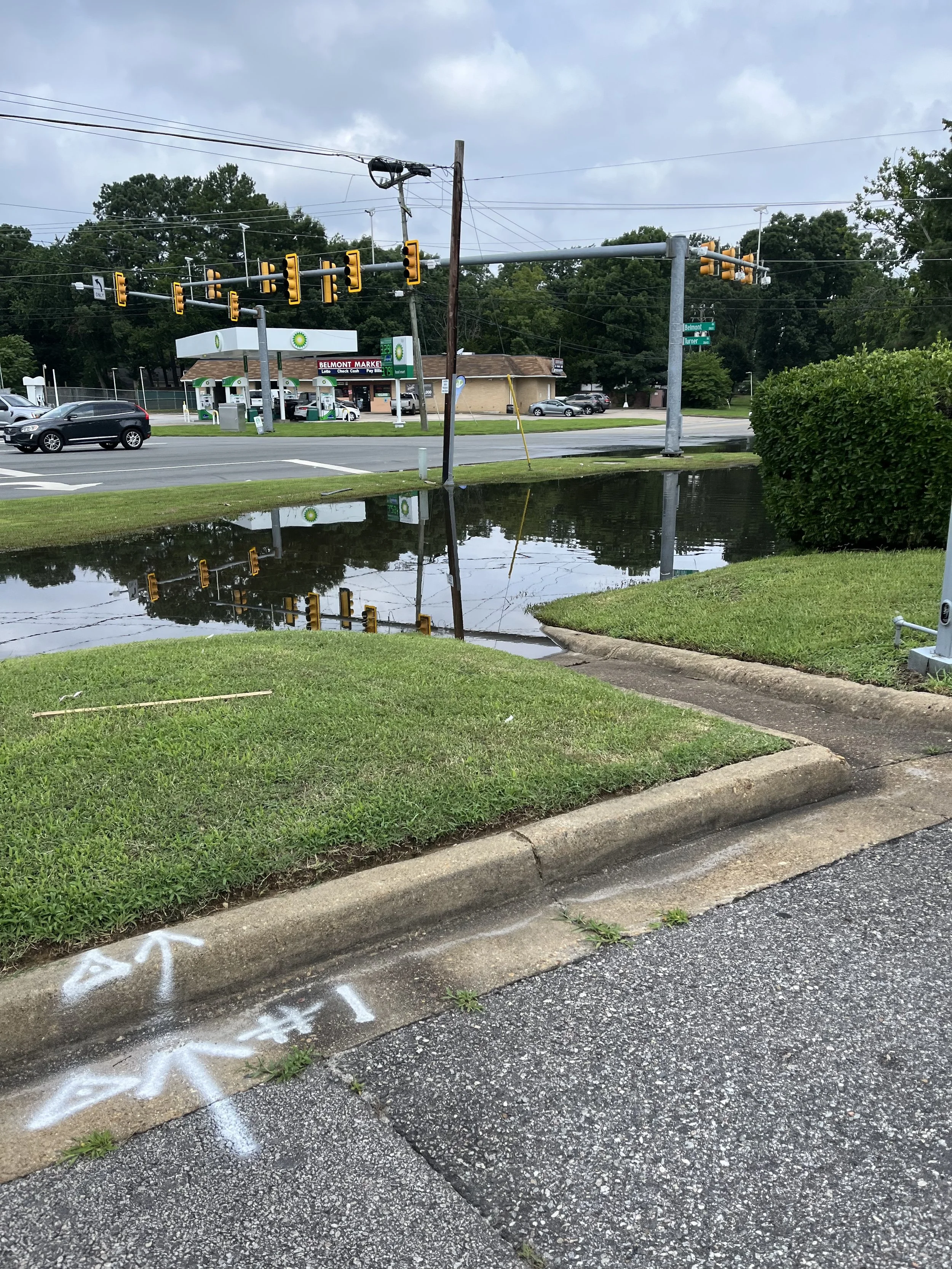
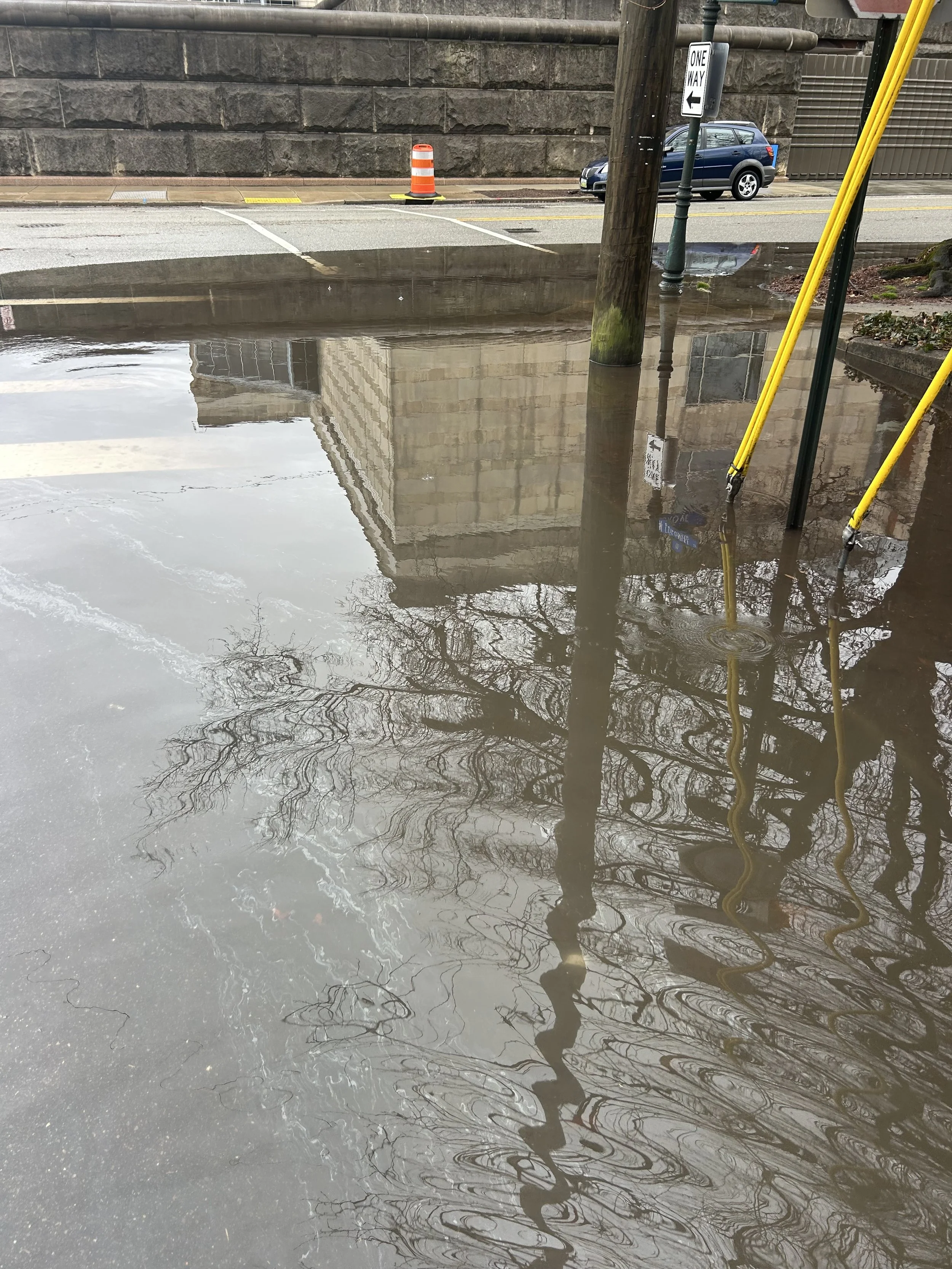
The same neighborhoods experiencing higher temperatures are also more vulnerable to flooding.
Large amounts of pavement and limited green space prevent rainwater from soaking into the ground. Instead, water runs quickly into streets and homes. Trees and healthy soil act like natural sponges — slowing runoff, reducing erosion, and protecting infrastructure.
Where green infrastructure is limited, families often experience:
More frequent street flooding
Property damage
Disrupted transportation
Increased financial strain
Tree Canopy is Unequal
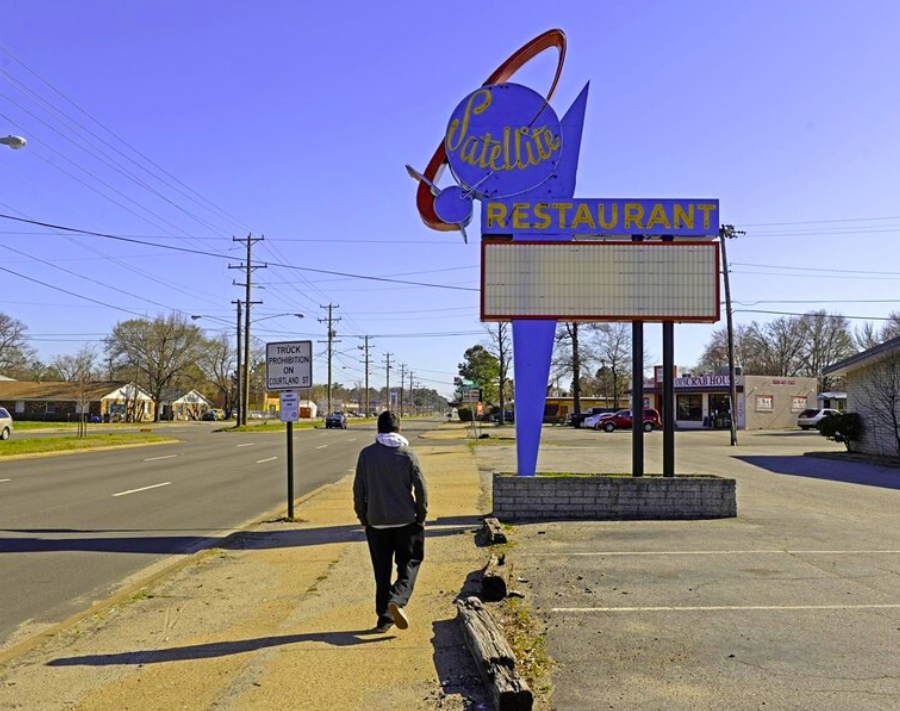
Tree canopy is one of Richmond’s most powerful natural tools for cooling neighborhoods and improving health. But canopy is not evenly distributed across the city, and it has been declining in recent years.
The Chesapeake Conservancy’s Chesapeake Innovation Center found that Richmond’s canopy covered about 32% of the city in 2021, representing a net loss of 199 acres of tree canopy since 2014.
Some neighborhoods benefit from mature trees, parks, and shaded streets. Others have far fewer natural cooling assets. This uneven distribution affects:
Quality of life and daily comfort
Household energy costs
Outdoor safety
Long-term health outcomes
Reversing canopy loss — while prioritizing tree planting in neighborhoods with the least coverage — is one of the most cost-effective ways to reduce heat, improve air quality, and strengthen neighborhood resilience.
Extreme Weather is Getting Worse
Extreme weather events are becoming more frequent and intense. Longer heat waves and heavier rainstorms place additional strain on infrastructure and public health systems.
Investing in trees and green infrastructure is a practical, community-driven solution that:
Reduces temperatures
Improves air quality
Lowers energy demand
Mitigates flooding
Supports physical and mental health
Strengthens neighborhood stability
Cooling our city is not just about improving quality of life — it’s about protecting lives, livelihoods, and long-term community well-being.